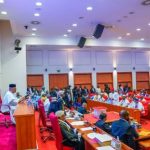





Strong opposition has emerged from traditional institutions in Nigeria following a controversial bill currently before the Senate, which seeks to designate the Ooni of Ife and the Sultan of Sokoto as permanent co-chairmen of the National Council of Traditional Rulers of Nigeria.
Leading the protest is the Association of Rural Chiefs of Nigeria, whose National Coordinator and respected rights advocate, Chief Nengi James, OON, described the bill as “provocative, offensive, and dehumanizing.”
Speaking from Yenagoa, Bayelsa State, Chief James warned that the bill, if passed, could trigger deep divisions among Nigeria’s diverse ethnic and religious groups and potentially threaten national peace.
He said the attempt to assign permanent leadership roles to two monarchs from specific regions and religions was a clear violation of the principles of fairness, federal character, and cultural diversity that hold Nigeria together.
According to him, the move represents a growing pattern of legislative infringement on the rights and autonomy of traditional rulers, particularly those in rural and minority communities.
Chief James called the attention of the Senate President, Rt. Hon. Godswill Akpabio, urging him to immediately step down what he termed a “highly insensitive and dangerous bill.”
He emphasized that traditional rulers across the country must be given equal recognition and should be allowed to choose their national leadership through internal mechanisms that reflect rotational leadership and the federal character system.
He further argued that no traditional ruler, whether by tribe or religion, should be elevated above others in a multi-ethnic, multi-religious society like Nigeria.
According to him, imposing permanent titles on any monarchs undermines the authority and dignity of other revered traditional leaders and could breed resentment and unrest.
Chief Nengi James also used the opportunity to renew calls for the proper inclusion of the roles and responsibilities of traditional rulers in the Nigerian Constitution.
He noted that for too long, the nation’s traditional institutions have been marginalized despite their vital role in grassroots governance, conflict resolution, cultural preservation, and peacebuilding.
He urged the National Assembly to act in the interest of justice and unity by halting the bill and engaging in broader consultations with traditional rulers from all regions of the country.
The statement from the Association of Rural Chiefs of Nigeria adds to growing public debate around the proposed legislation, which many believe threatens to disrupt the delicate balance among Nigeria’s over 300 ethnic nationalities.